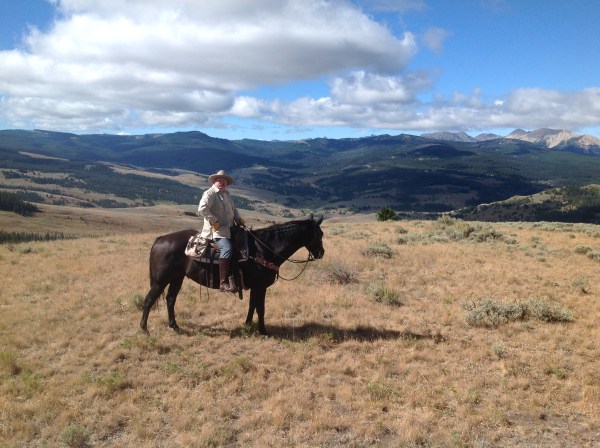
We have nothing to fear but fear itself

I know that it may seem odd that my first post is a quote from Franklin Delano Roosevelt, not Teddy, but there is a very good reason. If I reflected on all the things I have ever regretted not doing, the reason has almost always been based on fear. Fear of failure, fear of looking silly, fear of not being liked, fear of losing, fear of winning. Our imaginations can stop us in our tracks by painting a very convincing picture of ourselves crashing and burning, to the point that we become paralyzed by it.

When I read books or blogs of people I admire they usually are based on a time in the authors life where they had to do something different. Even if it disrupted their entire lives they did it because they no longer feared the outcome. They needed change and it was needed now.

I was reminded of this as I stumbled upon a blog to which I have found myself glued. It happened when I overcame a recent fear, the fear of achieving a dream and yet another dream that followed.

To understand, we need to go back to a bedroom of a small boy in Minnesota. When I was young, I fell in love with the Porsche 911 sports car. The design and speed has intrigued me since I was 8 and like many young boys, my room was filled with car posters.  All but one of mine were of Porsche’s. (The required Lamborghini Countach was in my room back then too). By high school, my first girlfriend had to endure many hours of boring conversation as I talked about them. She even was kind enough to go to races with me, where we could watch them fly past as I applauded in admiration.  She looked into my eyes as I watched and told me that if I was ever to get one I would probably be so reckless I would drive it into a tree. Along with being pretty she was also smart and dumped me just before for college.  Heartbroken, I figured she was right and scrapped that dream and replaced it with sailing.

I never bought a Porsche. (afraid to park it, afraid to not afford it, afraid…). When I found the love of my life, I got married and the dream was replaced with reality – being a family man with practical needs like a home, reliable family cars and family vacations. Each time I had some extra money that could be applied to my Porsche dream, I did the right thing and found a family solution: a family sized sailboat, a family sized motor home, paying off bills. In fact, I decided that perhaps I really didn’t want a Porsche because the 4 times I went to buy one, I came home with something else. But real dreams are meant to be stuck on you – they have purpose.

My son went to college and I was working so many hours in my real job and as Teddy that most of my recreational enjoyments had been replaced with work.  The only time I had for any hobby was my commute.  And so the Porsche bug bit again.  I told my wife that I was looking and she had all sorts of reasons why we didn’t need one, and of course she was right.  I had kept the dream secret from her, because thus far I had never acted on it. I promised her that the chances were slim I would find the car I wanted and not to worry.  When I started seriously looking it was a painful process. I had a low budget and high expectations, a combination that seldom works.  But the timing felt right somehow and so I kept on. My future car was waiting for me in Chicago, and with some airfare, a cashiers check and my son by my side, we drove it back to its new Minnesota home.

wp0ca29921s655239-4

It’s only new in the sense that it is new to me.  But like most people who have to wait 42 years for a dream to come true, it feels different to overcome my fear of doing it by just doing it. I find myself second guessing my actions constantly, but then I drive and all my pent up apprehensions just melt away. I know “Teddy” in a Porsche is weird.  Welcome to my reality – I am weird.

As soon as it was in the garage I began to dream about a long trip in it. It so happens that in the fall of 2017 is my 25th wedding anniversary and while my bride and I were discussing what we should do, I said, “do you mind if we keep checking things off my bucket list?”.  She listened and agreed.

If you don’t have a bucket list, make one NOW. Stop reading this blog and take out a pencil and paper or open the notes section on your phone.  Research places to go, things to experience.  LIVE LIFE, that’s why you are here on this planet. End of my bully pulpit speech.

My wife and I decided that given our budget, the only fancy part of the trip will be the car. Everything else will need to be frugal.  What it means for us is visiting the National Parks the way they should be visited – camping in them.

Camping with a 911 Porsche means things must be the size of things that will fit into a backpack. I am a hiker, kayaker and bicyle touring guy, so the gear was mostly in place except for the one thing that has changed since I have aged – my need for back support. When my wife and I camp these days, we do so in cots.  Those are way too big for a two week camping adventure of 3000 miles in a 911. Oh, and chairs. I need real ones with a back and where you can sit high off the ground as you admire a fire, for the same reason I need a good bed.  Electronics.  I like to document things with Camera’s – not just one, because there’s video that needs to be taken.  Hiking sticks, can’t forget those, we’ll need those because I am not as nimble as I once was and I have the scars to prove it. You can see the challenge, small car combined with camping comfort. I needed ideas.

One of the things I have learned is that the internet is full of other people who have the same crazy idea as you and they have a need to share their experience, either to tell you how great it is, or to warn you.  Wisdom from others can be your friend and for fearful people, they can be the best way to talk ourselves out of almost anything.  I used my dear friend Google and searched “Camping in a Porsche 911”.  I soon discovered that I am part of a handful of people who own a 911 that would have any interest in camping out of one. Most Porsche group websites recommend small luggage and a Visa card with a high limit.  Most Porsche owners can afford it. For my wife and I, well one out of two ain’t bad.

Those who have done my dream are pretty much like me.  Low budget, blue highway folks who are about the adventure and meeting new friends along the way. That brings me to a blog recommendation I found with my internet search. http://www.Johntesi.com  One of my favorite books is “Blue Highways” by William Least Heat Moon. It is a modern adventure book about the search for ourselves through the connections with others.  John figured this out, and his reflections as he travels with his Porsche meeting people and fly fishing keep me mesmerized.  He questions himself constantly, brings his fears to the surface like a rainbow trout rising as he eyes a juicy fly.  His is the kind of reflective writing that reminds me there is much more to life than the football score.

I recommend the aforementioned book and John’s blog as a way to stop and think and wonder.  My recommendation is that you read them while enjoying a nice beer on a cool porch in a rocking chair.  Absorb the message as you enjoy the scenery. That, after all, is really what life is about.


Featured post

The rollercoaster that is 2020

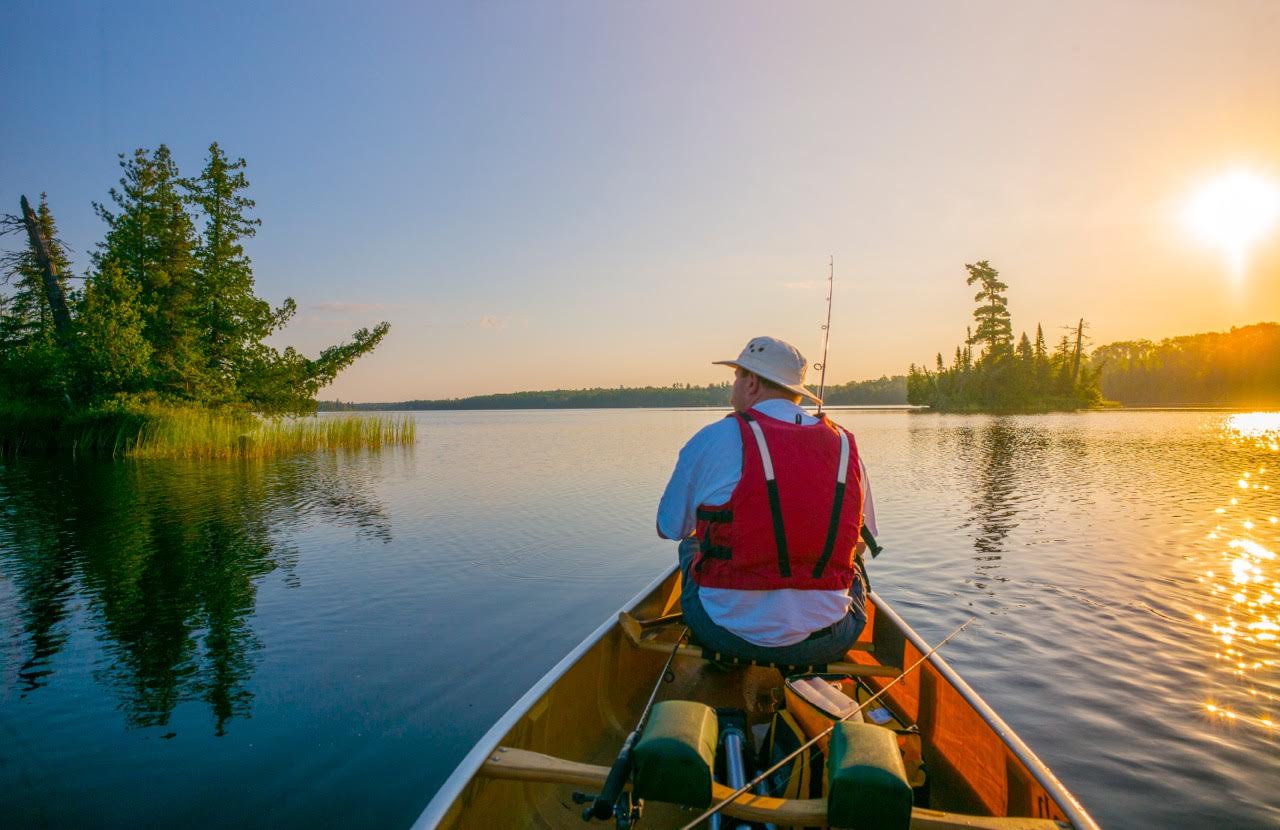
I was asked by a relative to forward an old post from this blog and realized how unengaged I had become with it and honestly, most other things in my life as well. With all that is going on – the divide of our friends in our beliefs about this Country; the loss of jobs and incomes for many; the loss of daily school with friends, or weddings with family; the risk of death due to the Pandemic; and my own personal career challenges, I have found myself just existing day-to-day. I doubt I am alone in that feeling. The changes meant the live events were cancelled, much like my musician friends have had theirs cancelled. I have used my time off to do things I have had to miss for many years: Trips to my beloved Boundary Waters Canoe Area Wilderness in northern Minnesota; getting projects done at home and;starting new ones. They aren’t the same as before. I don’t seem to have the same enthusiasm as before the pandemic and the great USA divide. I don’t look to a new project with an eye of wonderment or joy – it becomes something I “check off” my list as finally being accomplished. In re-reading some of my past blog enteries, I realized that part of me is missing. I think we all must feel that way from time to time with all that is going on.

People always adapt and 2020 is no exception. But as I began to reread my past posts I realized when I wrote before I looked for the silver lining. Today, I see only the clouds and it concerns me. I need to stop my internal voice of doom and gloom and bring back the person who wasn’t jaded and angry. I need to change me and ignore the rest of the voices who spread anger. It starts with me.

In thinking this new way, I realized that the pandemic has had silver linings:

People have rediscovered the great outdoors. This summer I have spoken with many people who were first time campers or just coming back to camping after many years away. The National Parks saw record attendance at a time when it is needed most. The Boundary Waters saw record permit distribution.

Camper / RV sales hit record highs. While adding more large vehicles to the roads has its downsides, knowing that families are spending time together, exploring and discovering our great country and each other I hope will create a rebirth of family adventures for generations.

People are adapting to jobs with flexibility and remote working options. The 9 to 5 of the office has been replaced with a work at home approach for many that offers the potential for better life balance. It offers someone the chance to work where they desire to live, rather than live with a desire for a short commute.

People have quit jobs they hate and are willing to downsize to live differently. If there is a true silver lining it is that people have realized life is short and happiness should be what we strive to acheive. We all need to figure out where we find our individual happiness and how we can do that in a way that benefits not only ourselves. Our self centered ways have created the great divide and it’s time to say “ enough”

I wish that woukd fix it all.

The Auto Vacation

My wife and I love to travel.  Each year our Facebook posts are sprinkled with places we are visiting – hoping to encourage others to see the world, or perhaps see what they are missing by not seeing the world.  We even share the lessons we have learned along the way to teach them how. Mark Twain said it best: “Travel is fatal to prejudice, bigotry, and narrow-mindedness, and many of our people need it sorely on these accounts. Broad, wholesome, charitable views of men and things cannot be acquired by vegetating in one little corner of the earth all one’s lifetime.”  With this as our guiding principle, we see all we can see.

On an average year, we take two “planned” vacations (and some sporadic ones along the way).  For us, that usually means Europe or someplace that others may consider to be exotic, but which have become our normal adventures because of how we budget travel.  Experience has taught us that travel in the United States is expensive. If you only have the U.S. as your personal experience, you will think traveling is cost-prohibitive and you would be correct.

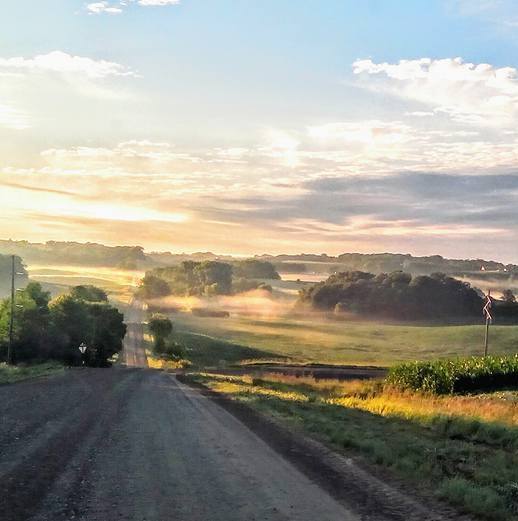
view from road

We spend far less on travel than people believe.  For North American we find driving our automobile is our lowest cost window on the Country.  To save money we like to camp in the fresh air at a fraction of the cost of a hotel.  We also like to enjoy the free options while traveling, like music in the park or free museum days.  The one cost we find really becomes expensive is daily restaurant visits, so those are replaced with picnics instead.  We budget for restaurants that are truly special and because we plan ahead, we never feel guilty when the bill comes.

Our ability to travel often is because we don’t treat vacations as “play money” as many do.  Ours are carefully budgeted and we are very mindful to stay within budget.  Occasionally, we discover something truly unique that we feel we can’t do anywhere else.  Falconry lessons at a Castle in Ireland was one such occasion.

Once a destination is added to our bucket list, we research to know their “off-season”.  Off-season means we can book hotels and tours for less and often see things without waiting in line.  (Fewer people means you see more)

When we fly, we book most flights using airline miles earned on credit cards.  We earn these flights on expenses we incur in living our daily lives.  Groceries and gasoline purchases for us yield free airline seats, free hotel stays and free car rentals.

What has truly given us travel wings is our auto vacation strategy.  This is not an “automatic” vacation strategy, it is our approach to owning an automobile.

Here is our “auto” secret – we don’t have a car payment.  Our non-existent monthly car payment is budgeted for travel.  We do own cars, three in fact.  We just don’t owe a bank for any of them.

If you think we must be rich (we aren’t) or that our approach is a sacrifice (it’s not), let me share some startling numbers. The average new car payment in the United States in 2020 is $557 per month.  That’s $6,684 per year to drive a shiny new car.  Add to that price higher insurance costs, more car washes, detailing and other expenses, and it will top over $8000 per year easily, just to get from point A to B.  Now don’t get us wrong, there is a health benefit of owning a new car.  When you first get that car, you will carefully park it away from the rest of the huddled masses so it doesn’t get scratched, forcing you to walk.  We just park that far out with our old car to get the heart benefit while avoiding the heart stress created by a monthly car payment.

So what are we missing by doing that? The average car loan is 72 months.  That’s 6 years of consumer debt.  In case you are keeping score, $8000 X 6 years = $48,000.  That’s definitely the middle of the pack for many a new car.

For us, that’s 12 missed vacations.  That is just too large a relaxation sacrifice to finance a car / depreciating asset.

Automobiles can be a wonderful expression of your personality or a great way to explore (A Jeep Wrangler is a good example of a vehicle that can get you off the beaten path).  A select few can even be investments (We bought one of our cars thinking this then just decided to enjoy it).  The large majority are just depreciating metal hulks that serve the same purpose: getting you from point A to B.  Most people spend way too much money on them.

If I handed you $5 today after you handed me $100 when you asked for change, we probably would get into a fighting match.  But when you break it down, that is what your car is, the equivalent of $5 in the future for something you bought today for $100.  What are you giving up for 6 years in financing to get from point A to point B?  We can tell you: France, India, Ireland, Italy, Asia, Hawaii, Spain, England, Portugal and many more.

I will be honest, our approach could be a sacrifice to some and totally impractical for others.   It’s not the perfect solution for some.

My wife would enjoy a new car.  Our Toyota Pruis turned over 250,000 miles this month.  It is a daily work-horse, providing us with incredibly low-cost transportation for almost 10 years.  It is a boring car and we are bored with it.  Many people hate the Prius and will tailgate you because it’s a Prius.  But in spite of that, it’s huge inside with great roominess for backseat travelers or camping gear.  It is cheap to own and drive and environmentally friendly.  At this point, ours has so many miles, it is fully depreciated by now.  We would not get much for it if we tried to sell it. This is a car to get to and from work and take on long vacations.  It needs to be reliable and it is.  Our Prius has been super reliable.  The best car we have ever owned.

We could replace our trusty Prius with another one with much lower miles for under $20,000, but we won’t until we absolutely must.  That’s because our car and lack of car payment provide us with too many future amazing memories.  If it does bite the dust, we will buy another one for much less than a new car and when we do,  it will be without financing a car payment so we can keep on traveling. What’s our budget?  Whatever it takes NOT to have a car payment.

I know what you may be thinking: when you spend all your money on travel you have no money left in an asset that can be liquidated.  That’s incorrect. We have more leverage than most because whatever we would sell our car for is ours to keep, as there is no loan to pay off.  A $2000 car is worth the same as a $20,000 car with $18,000 left to pay off.

I hope in reading this article you concluded our frugal approach to travel probably extends to the way we live our lives.  Indeed, our travel approach is an extension of our choices in life.  Almost all decisions any of us make in life result in a sacrifice in another part of life.  A commitment to working more hours to make more money is a sacrifice to time spent relaxing.  Time spent relaxing is a sacrifice to making more money through hard work.

Life is a balancing act of managing what is important to you.  We have decided to enrich our short time on the planet by doing things that are important to us, not impressive to others. Some of what we do becomes impressive because we can and choose to do them, but it is the sacrifice we chose that allows us to do so.  Gaining insights on how others have modified their lives to seek enrichment is part of the journey to enriching our own lives and part of the joy of sharing what we learned with others.  Remember, life is a journey, not a destination.  Enjoy the journey.

American Dream #4 – Instant Gratification

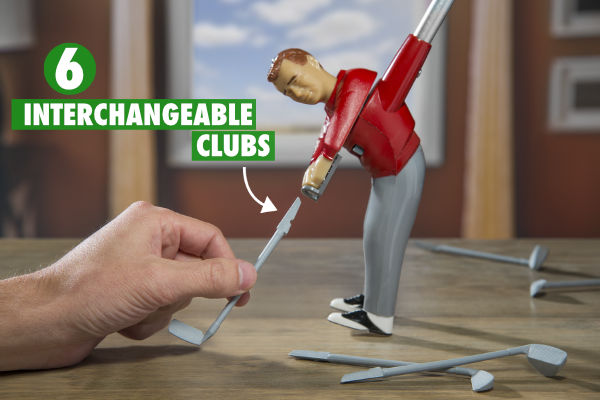
I own a small golfer on a stick toy that I bought at a county fair many years ago.  It was a bargain then, only $29.95.  Today, the product sells for $59.95, so I knew a good investment when I saw one.  Like many who purchased, I was very excited to bring it home and use it.  For perhaps a week, I brought it out to hit the tiny golf ball it came with throughout the house.  The tiny ball was lost somehow and then my enthusiasm in the game.  It came with small clubs too, apparently, I lost those as well.  I still have the toy today, thoughtfully in sight – not because I like playing with it.  It’s there because it reminds me of a life lesson – do not buy on impulse.

Financial ruin can be accomplished by buying on impulse.  It’s easy to justify impulse purchases.  In fact, there are a whole bunch of them you can use to justify many purchases: “I work hard, I deserve it”.  Or how about this one: “This will be worth something someday” justification.  “The neighbor has one so I should too”.  “They have one and I know I make more money than they do”.  “I always wanted one.” “They don’t make these anymore”.  “This is the last one”. “It will be a collector’s item.”

If you need to justify it, you probably don’t need it.  Justification might be the best “Red Flag” to purchasing there is.  If you have an instant feeling that you need justification, perhaps you don’t need it.  Actually, you don’t – you just want it.  Remember the difference between want and need.

Needs:

  • Shelter
  • Food
  • Clothing

Wants

  • A bigger house
  • A vacation home
  • A luxury vacation
  • An exotic car

When I want something, I ask myself: (I usually conclude I don’t need it.)

  • Is it replacing something else I already own, and could or should I sell that one first?
  • Is this a unique opportunity to get it now because of some odd circumstance? (Not a justification statement, a real, honest, unique situation)
  • Can I really, really afford it (pay cash and not worry about other bills?)
  • Will it take time to use that I don’t have?
  • Will it cost time against something I already own that I already enjoy doing?
  • Will it cost me to store it when I am not using it?
  • Do I really have room for it?
  • Will it go up or down in value?
  • Can I buy it cheaper someplace else? (I almost always can!)
  • Do I really know what it is worth? (Would I be overpaying?)
  • Can I afford it if I lost my job?

Opportunity cost: Giving up one thing for another.  Remember your economics class and opportunity cost?  That’s the cost of what you will give up for acquiring what you think you want.  Let me give you an example:

I own a Porsche.  Don’t be impressed – it’s a used, lowest cost model of the Porsche I have always wanted.  It was very inexpensive compared to another Porsche, but I could have bought any number of models of a new car for the same amount I spent on it.  New cars have warranties and no miles. With the same money, I could have driven a new car for many years for less cost than my 18-year-old Porsche.  That was the opportunity I lost when I bought it.  Believe me, I weighed that carefully many times and chose the other car option 4 different times when I decided I was going to buy a Porsche.  In fact, I waited 42 years for my Porsche! I never felt bad about that choice when I made it.  It was a much smarter and practical decision and still gave me something to drive. (I never bought “New” as cars depreciate, but they were new to me)

mini-indoor-golf-change-clubs

When making a purchase, I assume I will be giving up something when I buy, and I weigh that in my mind.  For illustration, let’s imagine I financed a car at $500 a month for 60 months.  That’s $500 that I will not have access to for 5 years!  What else could I have done with that $500?

  • Invested it – It could have made me more money. ($500 invested monthly at 7% would produce $35,252 in 5 years.  That’s $25,000 I put in to get $10,252 more I didn’t have to work for)
  • Given it away – I like supporting things important to me, and $500 could go a long way
  • Bought something cheaper for cash or less financed cost– What if my car payment was $250 vs $500 – that gives me $250 more cash flow per month.  What if I had just bought a junker for cash?
  • Gone on vacation – I have never taken a $6000 vacation, but that would be the same as a year of car payments, so I could.

The importance of a budget and a maximum commitment.  In the above statement I said I have never taken a $6000 vacation.  I can’t, my budget won’t allow it.  The grumbling has already started for some of you – I can feel your justification statements screaming at me.  Budget?  Bah-humbug.

Wealth building comes from the ability to stay within your means.  My budget is my means.  I don’t exceed my individual budget allocations by more than $500 in total any year, ever, unless I am paying something off.

Let me explain.  When I travel I don’t require 5-star hotels.  The marketing people think I do, but I really don’t.  It is my goal to spend as little time possible in bed on vacation so it would be silly of me to spend it on my bed.  I have some tricks for getting my airfare cheaper, so I use those, meaning I can travel to places for less money than most.  My Porsche is more fun and less cost than flying, so when I can, I drive to my destination.  Driving there means I always have a car to use and don’t need to rent one, again saving me money.  My small car is easy to park, and I know it so well I can park places everyone else drives by and no one kids me about having this small car.

Eating out is a huge travel cost and restaurants and bar alcohol add up quickly.  Happy hour though is often a great value and since I prefer lighter meals, I enjoy it more.  I do enjoy an occasional gourmet meal and my budget already has it built in.

I don’t have any less fun than most and I don’t worry about a bill I can’t pay or one I need to pay off over time with interest when I get back. My budget is based on what I can afford without adding any debt.  Interest is bad mojo when I must pay it to someone else.

If you must borrow money to go on vacation, you shouldn’t go on that vacation.  If you use Credit cards and make less than full payment, that is borrowed money. (credit in a card – remember?  Credit = loan)  Frankly, this is the very worst way to borrow because it is much, much more expensive than if you would have gone to the bank for a personal loan instead.  Think of your credit card (if you carry forward any unpaid balances) as incredibly bad mojo.

The power of a budget. I once went to a car dealership and told them which vehicle I wanted and what I would pay for it.  They started negotiating and each time they came back with a lower offer, but still higher than what I had told them.  After many, many rounds of this, they came back with a note on top of the page written in ink = “you win”.  It was still $1000 more than I had told them I was willing and able to pay and I walked out the door.  My budget is my budget.  It’s what I can afford.  (We ended up buying a much cheaper to buy and less expensive to operate vehicle which allowed us to save money for other uses).

Stay away from impulse.  If you are the kind of person who is notorious for spending money you don’t have, don’t put yourself in situations that tempt you.  Don’t visit the time share sales pitch.  Don’t go to the auto show.  Don’t go to the pop-up hot tub sale.  Avoid temptation and stick to your budget – always.  It will be hard at first, until you see your debts melting away and money in the bank.  Then it will not feel hard at all.

Financing and instant gratification.  Imagine if you could get something for $50 per month vs. $2500 now.  It’s not imaginary, it’s real and it’s called financing.  There are a few good reasons to finance (0% financing is free money; Financing can free up cash flow for investing) but in most situations, financing is a bad idea.

There is a company that sells exercise equipment that uses financing to motivate people to purchase their impulse item.  I calculated their offer once and discovered that if you only ever gave them the minimum payment they used in their ads, it would take you 15 years to pay for the purchase.  Yikes!  Financing is used by these companies to drive purchases and make the Company more money.  I know this better than most, because I created a program for a retailer and increased sales by $45 Million dollars using the finance incentive.  0% financing is great only if you payoff the amount financed within the terms of the offer (12 months interest free paid in 12 months).  It will eat you alive if you don’t (and most people don’t and that’s what the bank bets on).

Counseling and advice.  If you are an impulse purchaser, you need to stop.  That is an easy thing to say, but it is very hard.  For me, I turned to budgeting and a concept called pay myself first.  You can learn more about that from our mutual friend, Google.

If you know people who are financially stable ask them for advice.  Friends will be honest with you.  If you are afraid to tell others about your situation, I highly recommend Dave Ramsey and his baby steps program.  It’s free, it’s incredibly valuable and you will learn about how to manage your finances and create a plan.

A woman named Dorothy

Image may contain: one or more people, people on stage and outdoor I love small towns in the summer.  They are the places where almost every neighbor gathers for the local corn feed in support of the fire department or attends the church social where they connect to listen to good and even occasionally bad music.  They buy a donated pie or other baked goods and more often than not drink a beer or five.  It is there where you will see the old couple dancing to every song and the local young people carefully jockeying for an opportunity to speak to the person who catches their eye.  It’s where you experience the local farmer bachelor who serves the world best by remaining that way – both as a farmer and bachelor.
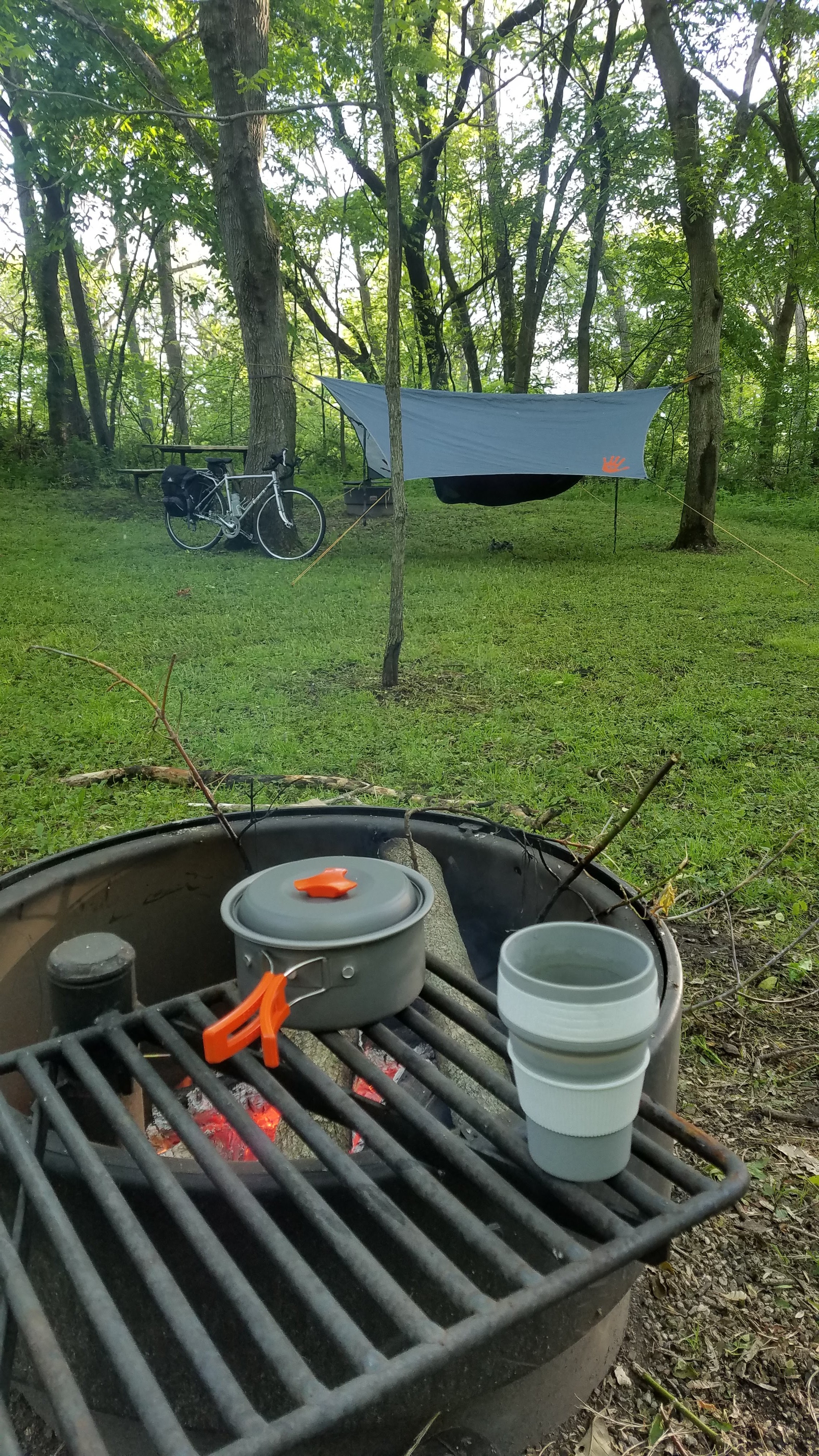
Recently, my spouse and I went to the local church celebration the next town over.  The event was their summer celebration, which featured many local polka bands, a pork dinner with dumplings and the preferred light beer all my neighbors drink.  I have yet to acquire a taste for it, but I drink it to support the church.  Honest!

We don’t attend that church, but many of our neighbors do, and one of them performs in a band that was playing there, so we wanted to take in the music and just spend a summer Sunday afternoon relaxing and enjoying his talent.  The town is incredibly small, perhaps less than 300 residents and boasts only a Catholic Church and a Bar.  My son refers to this as “The perfect town”.

It may not come as a surprise, but I am known to chat up the person sitting next to me, a habit I have developed from many years of being nosy.

When I sat down and began my introduction, Dorothy introduced herself as a widow.  It was a title I could tell she had a hard time with yet had been one for almost 6 years.  The pain however was still fresh.  She leaned into my wife and I to talk, careful that her words would drown out the music we were all listening too.

“Retire young.  Don’t wait until 67 or 68 or whatever they tell you.  Retire and live within your means and go on adventures.  Don’t look back”. She looked sad as she pushed out the words.

As she spoke, I realized that her dearly departed and I shared a similar view of life.  One where you encourage a spur of the moment trip or just point yourself to a direction and set your sails.

I have been told by more than a few people that what I do is unique.  The fact that I might come home on a Friday and tell my wife, “Get packed, we are leaving at 6 am”.  I am only now beginning to understand this is not normal.  My wife always asks where we are going and my answer is almost always the same.  “Do you always have fun on our trips?”  (She does).  “Pack and be ready” I smile as I grab my already packed bag.

As Dorothy spoke to us, I felt bad for her, certainly in part because of the loss of her loved one, but perhaps more so the loss of adventures she and her husband enjoyed.  I hope if I leave any impression behind by this writing it is this: Don’t rely on others to set your sail, learn to set your own.  Adventure starts within.  If you can find an adventure partner, even better.

Just as Dorothy said to us “Go on adventures and don’t look back”.

Our adventures always relax us and educate us.  They give is perspective, sometimes how others live better than us, but more often than not, how lucky we really are to be healthy, active and alive.

Take the time to explore, to open your mind. Don’t be afraid to shuck responsibility once in a while to just be curious.  Most of all, enjoy this incredibly short time we are placed on this planet to do something awesome.  I promise you will never regret it.


It’ll be there when we get back.

20190525_065747I have a wonderful spouse who views weekends as time we should use to “catch-up” on our projects.  For years, I have embraced this as a standing order for committing these two most important days for work.  With a full-time job and a very busy part time job, it can be far too easy to forget to take time to recharge my physical and emotional batteries.
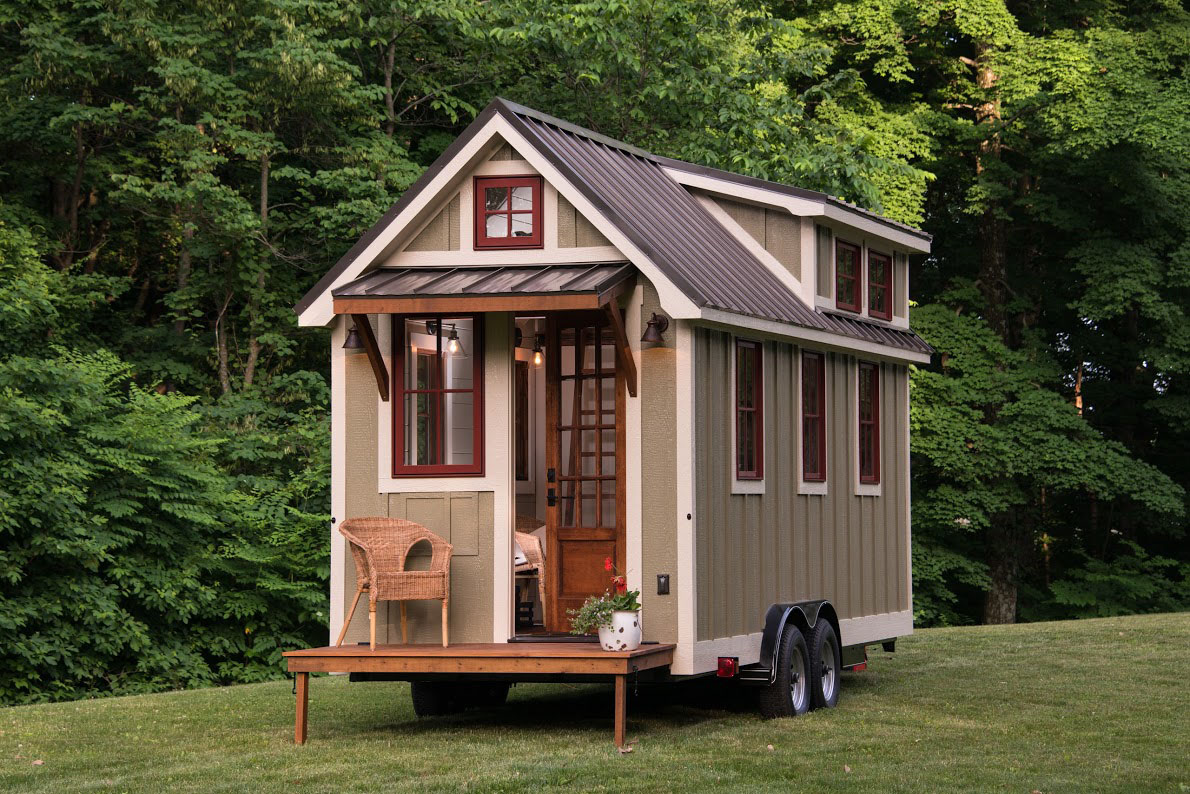
Before I “grew up” and burdened my life with too much responsibility, I would bicycle tour the backroads, sail, canoe or kayak on my weekends.  Now, I am so busy that I seldom get to enjoy those things.  In fact, I recently decided to sell some of my recreational equipment since I wasn’t using them.  When I told my wife and son that I was selling my kayaks, they both went into shock.  “You love to kayak” they both yelled at me. “Yes, but I don’t have time to use them, and they are too expensive to just have around not being used”. Don’t sell them, they both said in unison.

Then it hit me.  I had been led astray from the things that gave me joy and which I needed for my own sanity.  Those have been replaced with a new mistress of projects that never ended.  Most of which had become a burden I had wrought upon myself.  My own necessity for keeping busy had taken me away from the things that brought me health and wellness and sanity.  My good friend once said of me, “You need to learn the word – no”. He is so right.  I had said yes to a life of projects that grew larger each month.

This year, I purposely kept my calendar open so I could enjoy some of the pursuits I love.  Instead of traveling to entertain someone else while they are recreating, I am traveling for my own purpose, to recreate and enjoy some things I haven’t in years.  My spouse is not pleased when she informs me that x, y and z need to get done and my response is “it will be there when we get back”.  It can sound like I am procrastinating by saying what I am saying, but the reality is, I am not procrastinating, I am extending my life.  Those projects will be there when I return, and I can chip away at them all week long.  But I will never get back the days I neglected to see a friend, or paddle a wild river, or watch a waterfall; or sit by a campfire.

I chose many years ago to live in the country because I wanted to get away from the hustle and bustle of the city.  Instead, I created a new country style hustle and bustle.  One where the lawn is much larger; the woods are in constant need of care; the vines in need of pruning.  I replaced one hectic lifestyle with  another. The reality is, work is never ending, but life is.

We have a finite time on this planet and the older you get, the more you realize how short our time is.  Don’t burden yourself with projects, enrich yourself with memories. Don’t worry, that project will still be there when you get back.


The American Dream 3

timbercraft-tiny-home_1

In this blog I have highlighted some issues I have experienced with my own desire for retirement and some observations on how to get there realistically.  I think there is hope on the horizon.

For many years, I have been following the “Tiny house Movement”.    I like the idea because it forces people to dispense with their “wants” and forces them to live within their “needs”.  To understand what I mean, consider this: The average new home built today is over 2300 square feet, while a Tiny Home is defined as being under 500 square feet.  Imagine taking your life and cutting it into a 1/5 and living within that parameter.  In that amount of space, you choose wisely what is needed, because you don’t have any space for anything else. The Tiny House has more than internal space challenges however, it fights many external space challenges as well.

America is considered to be the “Land of the Free”, until you have the bold audacity to break from the norm and suggest a new way to think.  Tiny Homes could be embraced as a great housing solution for those who want to live within their means and frugally, yet the major issue with Tiny Homes has been local zoning laws that require structures meet minimum size requirements.  A 1000 square foot house was normal in the 1950’s but sitting beside a Tiny Home it looks like a Mansion.  Communities with “McMansions” don’t want a Tiny home on the lot next door for the same reason and have made it clear to Tiny Home owners they will not tolerate them because they will erode their property values.  I can understand this, but I also know that many of those McMansion owners would probably learn more from that tiny home owner about living a purposeful life than from their neighbor who looks like they have achieved everything and has a banker calling them daily to remind them they still need to pay for it.

I don’t believe that Tiny Homes are a fad as some do.  Living small is normal in Europe, and in the U.S., more and more people are moving to urban settings which are usually smaller than their suburban counterparts. IKEA has shown that there demand for smaller sized, utilitarian products that are less expensive.  Large retail is being replaced by smaller, craftsman type retailers.  American Society is shifting slowly from the “Everything BIG” to a more livable functional space. this is occurring very slowly, and mostly by younger generations who have seen the burden of their parents need-more-stuff lifestyle.

Space saving and frugality is evident in our work lives as well.  Many jobs are now mostly computer based. This creates the ability for work to be mobile through the internet.  Go to any coffee shop in a major city and you will see the new American office, a two-foot by two-foot area with a laptop computer and a good cup of coffee. Smaller, efficient (your rent is a coffee) and probably more productive because on Monday morning you aren’t comparing weekends with your coworkers.

This brings me hope that as people think smaller, community can become bigger.  In some Tiny Home communities, they have built common areas for gathering, cooking and socializing.  You can’t have a party for 10 in most Tiny Homes, so community spaces, restaurants and parks become the community area.  Bringing people together because of the shared smallness is perhaps the next big trend that the U.S. could enjoy.  Frankly, I think that would be a good thing.


Retirement? Yeah, right.

I am at the age now I consider to be the most difficult of my life.  I am looking ahead 10 years and I am fearful of retirement.  I am not fearful of the experience. Everyone I know who is retired loves it.

People I know, who are like me, are fearful of retirement because of the unknowns. Where will I live? How can I support my lifestyle?  Will I run out of money? What if I…….?  I have friends who continue to work because of the costs of health insurance once out of the workforce.  Fear, fear and more fear.

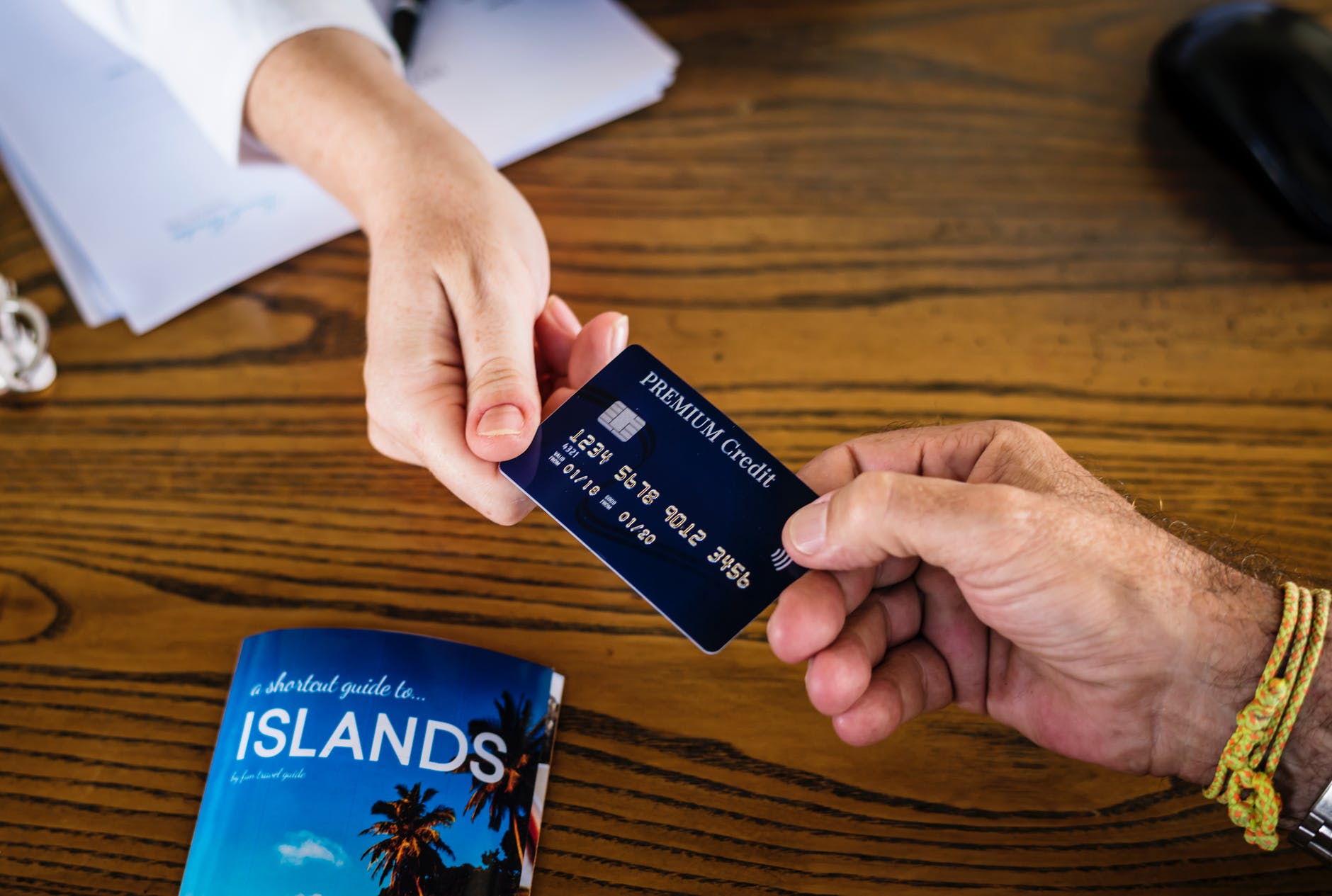
two persons holding premium credit card
Photo by rawpixel.com on Pexels.com

The U.S Government has tried to quell my fears by designing a “retirement system” that targets my “get out of job jail” age at 67 years old if I wish to take advantage of all of the benefits. That retirement number seems to creep up each year as the Social Security fund decreases.  As someone who frankly doesn’t want to work in a traditional sense until age 67, I hope I can impart some wisdom on how I would have done things differently if I had known what I know now as I am doing my retirement planning for the closer, but still distant, future.  This is a road guide for those my son’s age or those who can perhaps turn their own ship by thinking differently:

  1. Live well below your means. I am impressed with my son’s generation in their belief of experience over stuff.  But experiences can be very expensive too.  A $7 pint of beer at the local craft brewery should be an appreciated luxury and not a daily occurrence, especially if you started the day with a $5 latte.  $12 may not sound like much until you do the math to figure out if you did it every day, that’s $4380 per year in just beverages.  That’s 10% of your income if you make $43,000 per year!
  2. Be educated, not edu-poor. I think a college degree should be obtained when you truly desire a job that requires it.  I also support the idea that jobs with that requirement should pay accordingly.  Pursuing a Master’s Degree for a role that pays almost the same as minimum wage should never ever be pursued if it means going into debt to do it.  I appreciate socially responsible careers but if you will be paying student loans for 20 years to do so, it is not a personally responsible move on your part and you need to weigh all of your options. Don’t give up your career dream, just think of better ways to accomplish the outcome without sacrificing your future finances to do it.  Also, don’t listen to a culture that shames you into college if it isn’t your fit. Don’t be afraid to explore the trades and work a job that usually pays better for often more freedom than corporate America.  You should do what makes you happy and fulfills you, not society’s idea of what you should do.
  3. Buy a small, affordable home or duplex. The only long-term debt I recommend is a home. A small home in a safe neighborhood.  You need someplace to live, and home ownership is usually cheaper than rent (BUT NOT ALWAYS!) You will make about 3% on the investment long term and there are some other savings, such as lower car insurance, etc. that you get from being a home owner.   You can rent out rooms and cover your monthly costs, meaning you can live close to “rent” free or actually make money.
  4. Pay yourself first. Each month put money into YOU accounts.  Create savings accounts, investment accounts, travel accounts, fun accounts and budget money into each.  Pay those bills first.  The leftover is your monthly budget for everything else.  You will quickly see where your money goes, and how much you will need to live on (and how much is wasted).
  5. Stop thinking everyone else makes more money than you. It’s usually not true, but it can sure feel that way.  When friends are posting online their fancy restaurant visits, weekend get-a way’s and new boats and cars, it doesn’t take long to feel poor.  Looking rich but being poor because of debt is self inflicted and avoidable.  Expenses that are financed monthly payments to a bank are stressful and honestly something I would happily take back from my youth as foolish self-gratitude.  Be happy being debt free and consider that wealth. (Because it really, really is – net worth is calculated as what you have left when you subtract what you owe)
  6. Build passive income streams. Rental property is a great passive investment that pay’s you every month (if you bought it correctly).  Is it work to own rental property?  Yes, but much less than a 40 hour a week job.  It doesn’t pay as much because it isn’t a 40 hour per week job – that’s why it is called passive.  When you retire, you will need income streams – the more you have the better your retirement.  Retirement implies that you will not be working, so where will your income come from?   The easiest will be passive income: Your 401k, your ROTH, savings and other passive money coming to you that isn’t a job.  Investing early gives you freedom to retire early.
  7. Don’t put all of your retirement money in 401k’s and Roth retirement funds.  (I didn’t say don’t put money in them!)  Income streams outside of retirement plans means you can retire earlier.  I can’t touch the money inside of my retirement plans until I am at least 59 1/2 because my money isn’t mine without penalty.  Have money in investments that pay you well before “retirement age”.  Yes, you will have to pay taxes on it, so what?  At least you have income! (You pay taxes on your income you “work for”, remember?)
  8. Pay cash for every car you ever own. I love cars, always have.  But, If you can’t afford it, you weren’t meant to have it.  Owning a cars is a huge expense most of us will always have.  99% of vehicles are a depreciating asset, meaning everyday you own it, it costs you money.  Let’s say I lose 10% value of a car by owning it – would I be better off losing $4000 on $40,000, or $1000 on $10,000?  Said another way, what could I do with $3000 more dollars per year ($250 a month) because I didn’t buy the $40,000 car?  Your “Pay yourself first” fund is the place you will find the funds for your car, and believe me, once you work hard to save it, you’ll won’t buy as expensive of a car vs. when the bank financed it.
  9. Build a wealth of friendships. Why own a cabin when you have a friend with a cabin who loves when you visit?  My grandfather visited friends all over the world during his retirement years and they loved him for it.  I enjoy having guests visit and it doesn’t cost them anything but sharing good stories that make me laugh.   In the end, it is the friendships that we make in life that give us wealth.
  10. Plan your life for a life of joy. The best things in life aren’t things.  I personally believe they are a supportive spouse with a shared vision; children who live purposeful and happy lives; friends who you enjoy and enjoy you.  Almost all that stuff you acquire along the way will lose monetary value, and in the end will be something you need to store someplace, dispose of (which you will have difficulty selling and nobody wants) and represent memories that are really only yours.  There is an old saying in the natural conservation world that I think could easily be applied to our entire lives:  Take only pictures, leave only footprints, save only memories.

These are some of the many life wisdom’s I would have imparted to a younger me.  I hope you will share them with someone, along with your own tips.


The Importance of Adventure – 10 travel tips.

Larry1“Now and then it’s good to pause in our pursuit of happiness and just be happy.”
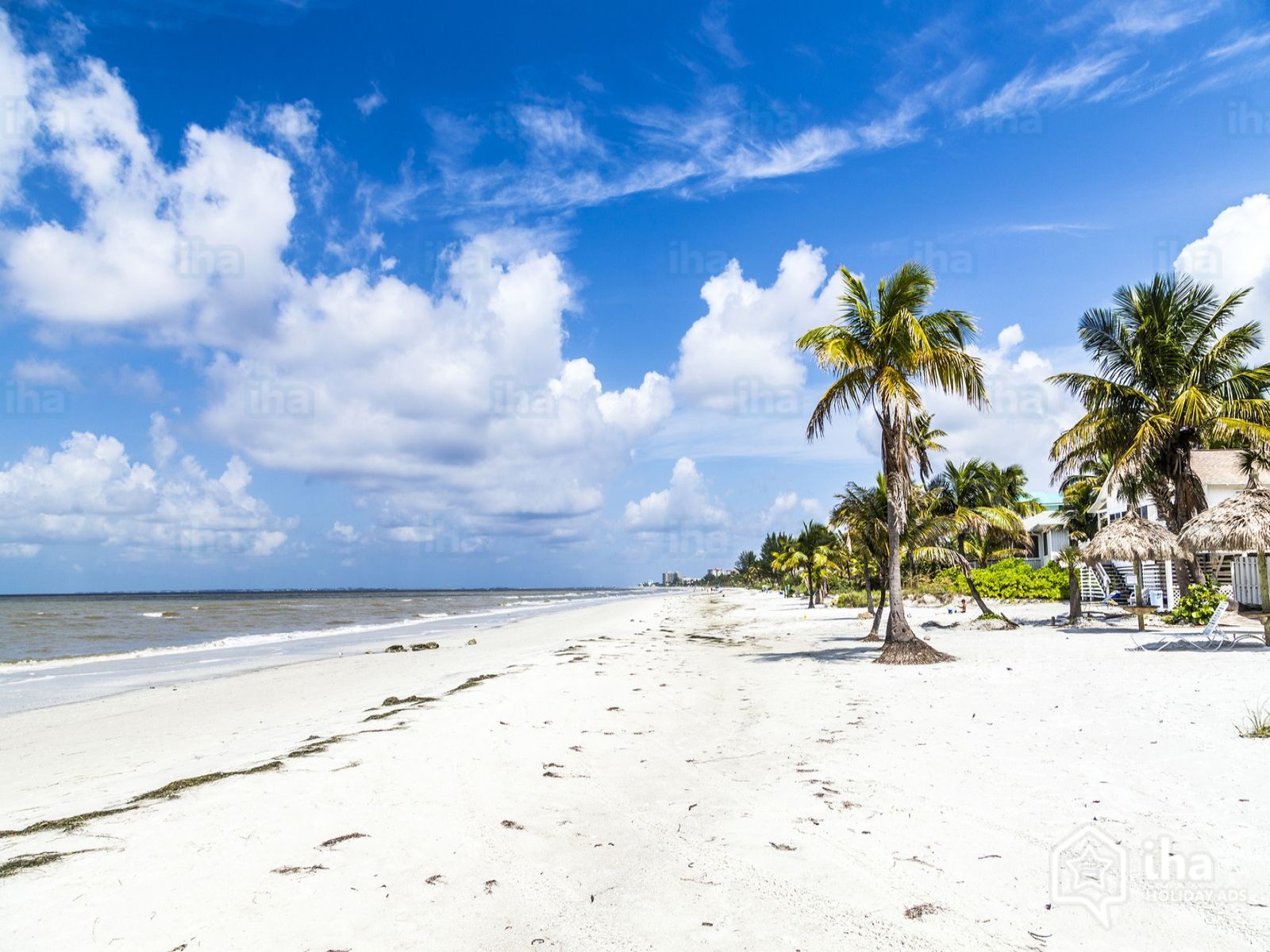
~ Guillaume Apollinaire

If you follow this blog, I hope you have seen a theme emerge: Life is an adventure, live it. 

I have seen my share of friends and loved ones suffer health issues, personal demons, and even death at an early age.  Many never make or made the time to have an adventure.  Some even hung badges of honor on themselves for never using their vacation days.  It saddens me how prevalent this theme is, especially with my U.S. friends.  I want to share with you some insights I have learned in my 55+ years on this planet.

Insight One – Travel changes you.

I will never forget the a little old woman in Italy told me about enjoying sweet wine with bread.  We spoke different languages and the only way she could tell me was with her hands and a wink and her smile.  It was one of the best conversations I have ever had.  It had a profound effect on educating me that communication is a full body process, not just words.  That would have never happened if I had not been in a small town in Italy with a language barrier.  Mark Twain said it best: “Travel is fatal to prejudice, bigotry, and narrow-mindedness, and many of our people need it sorely on these accounts. Broad, wholesome, charitable views of men and things cannot be acquired by vegetating in one little corner of the earth all one’s lifetime.”

Insight Two – Travel can (and should) be inexpensive.

Maggie and I are laser focused on low cost travel.  People may think we have a huge travel budget – We don’t.  We likely paid far less for our two-week trip to Europe than you did for one week at an in-state resort.  (Yes, even with airfare) Our strategy is very straight-forward.

  1. We have bucket list of destinations but not a “time requirement” of when we need to see them.
  2. We set a budget, then watch for deals, use credit card points, etc. to get us to where we want to go.
  3. We prefer to travel pre-season and off season. The weather is often better (for our preference anyway), there are almost no tourists and, prices are often much lower.
  4. The locals are usually more helpful because they don’t have to deal with tourists!
  5. We pre-travel via blogs and reading so we know what we don’t want to miss once we have booked our trip.
  6. We pay attention to the free options: We picnic, find the free hot springs, listen to the music in the park. If you have pre-planned every day to the minute detail at the local tourist traps, you’ll likely miss the real adventure hotspot.  We still talk about the free “hippy dip” on the Colorado river where the hot spring is free for everyone.  Recently, a Paris highlight was eating a picnic under a bridge during a rainstorm as teenagers around us played drums and flutes.
  7. Fun is where you make it and it doesn’t have to cost much or anything.

Insight Three – SLOW DOWN.

We took a very inexpensive trip to Ireland a few years ago that was very comprehensive – but it required us to see too many things in a short period.  Our itinerary placed us in many different towns all across the country which meant we spent a lot of time driving, squeezing in “Must visit” areas quickly.  On paper the trip looked awesome, but it was far too hectic.  It was enjoyable but nowhere near as fun as spending a week in one place and taking day trips at our leisure.  Vacations are meant to relax and re-energize.  Hurry – is the same as work.

Insight Four – Adapt to your surroundings.

Why go to Paris and eat a Hamburger and Fries?  Try the Fois Gris, (Goose liver)  the steak Tartar (raw steak) the Escargot (snails).  If you can’t adjust your thinking and adapt to your surroundings, you won’t be a good traveler.  Here is an example: Finding a public bathroom in Europe can be like finding a needle in a haystack.  Be prepared to dig into your pocket for some money to use one once you find one.  Expect there to be a long line and go with the flow

One time we were in a tourist information center in Pisa and a young American woman traveling with her parents asked for a bathroom.  She was told a public restroom was a few blocks away.  Her face went to anger as she huffed to everyone loudly “This country is awful!”  I was embarrassed to be in the same country with her.  She would have been much happier staying at home, and so would have Italy.

Insight five – Go to the local pub.

Pubs are the great equalizer, where the town dog catcher and the doctor share time together.

I always order the local drink just to get a true flavor of the area. I was shocked the bitterness of the preferred cocktails in Rome.  They weren’t for me, but conversely, if I had never tried Guinness in Ireland, I would have never known that it was a totally different product (and MUCH better) than what we drink in the US.

Pubs are the common denominator in any society.  You don’t have to drink alcohol to experience the comradery of a pub, and the locals are just as curious about you as you are them.  You might be surprised to learn there is a good chance most know more about American History and politics than you.  Certainly, more than you know about theirs.  Become one of them while you visit and make new friends and be educated.

Insight six – You have to overcome Television as American culture perception.

My son was asked once in Europe: “What kind of gun do you bring to school?”.  They were serious!  Their perception of us is based on TV news and shows like Married with Children, Cops and the Kardashians.  Yes, they get these shows and many honestly believe this accurately portrays our lives in America.  See the problem?  As travelers, we need to explain our reality and what they see on TV is not our culture but “entertainment”.

Insight Seven – Try to learn at least a few words of their language.

I hate it when someone say’s “why can’t they just speak our language?”   I will tell you why – It’s not that easy.  Languages are hard to learn.  I am terrible at French, I understand some Italian and am slightly better at German.  When I say “better” it means I can say hello, Thank you, order a beer, ask for the bathroom and nod agreeably.   When someone tries to speak to you in even broken English in the U.S, I hope you give the courtesy of respect for trying to converse with you and smile while working hard to help them with what they seek.  It will come back in spades when you go to their country and need help.

Insight Eight – Leave your American ego at the door.

The trains in many countries in Europe run better than ours.  The worst bakeries in Paris still make our best breads look pathetic. Their people live longer, score higher on happiness scales, and have less people confined to prison.

Travel has a way of opening your eyes that other countries have some things figured out much better than we do.    I live in a great country, but it’s not the only great country.  There are a lot of them, each with strengths and weaknesses, just like ours.  Leave your bias at the door when you travel and be objective.  Sure, you will immediately see things we do better, but with an open mind, you may come home and say to yourself, “boy, it would be nice if….”

Insight Nine – Real things are better than fake things.

New York, New York in Las Vegas is nothing like New York, New York.  It is not a substitute to enjoying the real thing. I like adventure wherever it takes me, but I would never expect a “fake destination” that tried to recreate a real place to be as good.  If done properly, it should inspire you to want to dream to see the real thing, but don’t assume you have experienced the same thing, you haven’t.

Insight Ten – Traveling requires some moxie.

Travel may require some bravery and a bit of moxie and always some calendar flexibility.  Flights get cancelled, city workers go on strike, taxi drivers rip you off.  It’s not always easy to travel across town, let alone across the globe.  You will be forced at times to explore and initiate a plan “B”.

Travel requires the ability to adapt and learn skills you didn’t know you had.  Reading a train schedule in Italy requires knowing they call Florence = Firenze. It means knowing 14:30 is 2:30 in the afternoon.  It means knowing that the final destination of the train is what you need to know so you catch the train going the direction you want to travel.  Along the way, you will need to ask someone’s help to understand the ticket dispensing machine and you may need to ask several people before you get the one who can help you.  That’s the fun of travel, it can be a puzzle at times that you have to solve.

Final Thoughts

Travel requires life skills that are essential- Adaptability, problem solving, communication, awareness, listening and basic math.  It requires compromise, asking for help and most of all, laughter.  In the end, you will grow because of it, and if you took what this blog said to heart, once you return from your trip, you will start almost immediately dreaming of the next one.

Life is a roller coaster, not a merry-go-round!  Live the adventure.


American Dream, Part 2 – Lifestyle

I had yet another lesson yesterday I needed to share.  I am at the age where many people solicit me about “retirement” planning.  These calls are valuable because they help me think about how I am going to plan to live my life on a “fixed income”, at least ten years from now.

Another light bulb moment. My household already is on a fixed income.  My wife and I have full time jobs that pay a fairly consistent amount which means our household income from month to month is pretty much the same.  When we retire, where the money originates will change, and it too will be “fixed”. The real-life lesson has always been about how to live within your means. The more “means” you have, the better you live.  Duh.  But most of us don’t live within our means.  It’s cloaked in a new term “life-style”.  How much money will you need to live your current lifestyle?  I have no idea.

Here is what the expert on the phone told me: “You need to retire to Florida. I have lots of clients in Florida”.   Ok, move to Florida. Got it.  “But don’t buy, you can rent for only $5000 a month”.  I almost fell out of my chair. I was told, by a financial expert, that I should spend $60,000 a year on housing, in retirement, on a property that I will have no equity and no possibility for an upside. Zero. Nada. None.  For those wondering, $5000 a month would at current interest rates buy you a $1.2 million-dollar home or as I would call it, one hell of a lifestyle.  Way better than now! He had my attention.  I wasn’t sure how he planned to do it because I used to be a banker and I knew a few things.

A quick bankers Lesson, the 28% Housing Payment Rule: This rule focuses strictly on your mortgage payment. Lenders who care about you keep the payment at 28% of your gross monthly income. The calculation is as follows: Gross monthly income x 0.28 = Maximum monthly mortgage payment.  Using this calculation, what this financial guru told me is, during retirement, I can live in Florida on the measly household monthly income of only $17,857.14.   That’s “take home” (after taxes) pay of just $214,285 a year!  This guy is good, I need him!  He can find me $17,857 a month after taxes!

Ok, how much do I need to do that need you ask?  For those wondering how you too can hit that amazing number, if you take out 5% annually (so you can preserve that pretty nest egg), you only need $4.3 million dollars in retirement savings.  Oh, but that doesn’t include Social Security, so you can probably get by on $3.75 million.  Yeah, that’s not happening for me or most of you.   As I reminded you in American Dream posting number one, 96% of Americans do NOT have even $1 million dollars.  If you are average, you are not even close.  The average American family has $163,577 total saved for retirement at age 61.  That’s not annual, that’s total dollars before Social Security or pension.   My parents have told me “You will have a hard time living only on Social Security”.  What?

No wonder all the scammers prey on Florida!  Victims have been herded down there for the financial slaughter by professional retirement planners.

I have finally figured out I can’t afford the American Dream others believe I am entitled to have.  I am more frugal than that and believe me when I tell you I am really bad at being frugal.  There are a few moments when I broke my mold and demonstrated at least a little financial sensibility.

Many years ago, before it was fashionable, I took a great deal of abuse for buying a car on the internet. The car was $4000 less in Texas than in my home state, so I recruited my friend Larry and we flew to Dallas for $250 and drove the car home.  If I told you how many people said to me “I wouldn’t do that for only $4000”.  O.K, it was everyone.   I viewed it then and now differently, I got paid $3750 for a weekend of driving with my buddy.  We solved a lot of the world problems on that ride and I had $3750 to use elsewhere.  I wish I had invested it, but I didn’t think about the fact I might retire some day and would need it.   If I had, I would only need to find that missing $3.6 million for retirement right now.

I am learning though.  My wife and I recently spent a Saturday in drivers training to save 10% annually on our car insurance.  Only a few friends we told thought they could find the time to do such a silly thing.  I get it, time is money and getting paid the equivalent of $89 per hour isn’t really worth it for most.

That’s because we have been trained on the idea of saving, even by using our time to do so, is seen as an unrealistic expectation.  You could be using that time to get more stuff!

Instead, many of us have decided to live the American Dream as consumers saddled in debt.  Mind boggling, stress inducing, keeping up with the Jones debt.  The marketers are smart, they called it “lifestyle” and brand it with products only those in the lifestyle can have. It’s a trick called “exclusivity” and it preys on our instincts to have something we can’t.

Fort-myers-beach-Fort-myers-beach

Well, everyone else can’t, but I can if I am willing to spend only $5000 a month in Florida.  Yeah for me.


Create a free website or blog at WordPress.com.

Up ↑